Dual LAN
Two LAN ports for installations that need wired network connections alongside equipment monitoring.
 Industrial hardware, explained.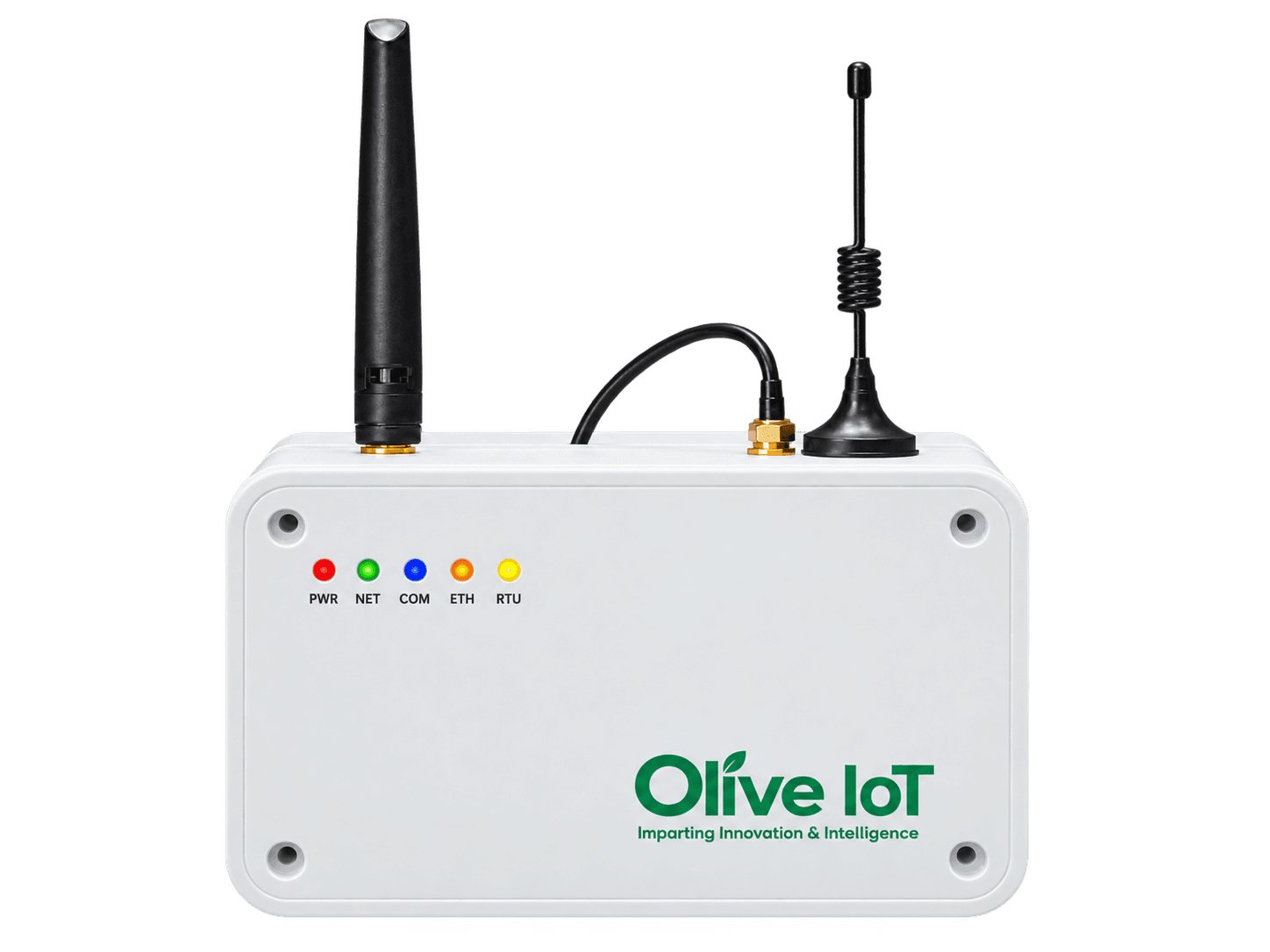
Data loggers
A two-LAN cellular data logger for wired networking and RS-485 equipment monitoring.
More ways to make the connection. Connect industrial equipment through two LAN ports, cellular connectivity and RS-485. Configure data capture and server communication through the Olive platform.
Hardware, connectivity, power and expansion details.
Core features
Suitable applications
Communication and interfaces
These are the supported hardware interfaces and protocols stated for this product.
Two LAN ports for installations that need wired network connections alongside equipment monitoring.
Cellular connectivity with 2G fallback, plus Wi-Fi for network access.
Connect compatible industrial equipment and configure the parameters to capture.
Integrate compatible equipment signals with the logger.
MQTT(S), HTTP(S), CoAP, FTP and TCP/IP support for configured server connections.
RTC with NTP synchronisation timestamps online and offline records; microSD expands local storage.
Student view
Learn how a complete industrial logger connects field equipment to a monitoring platform, keeps local records and makes data useful through dashboards and reports.
Example projects showing what this product can read, control and report. Each requires the appropriate sensors, connected equipment and application software.
Example: connect compatible RS-485 meters or machine controllers at a factory that also needs two LAN connections. Configure parameter capture and log intervals, then use Olive dashboards and reports to compare equipment readings across shifts.
Example: read operating values from a compatible pump-station controller over RS-485 and send records through cellular connectivity. Offline logging retains local records during a connection outage; configured platform notifications help operators follow changing conditions.
Example: install loggers at multiple utility sites and configure server endpoints and reporting intervals. Timestamped equipment readings feed dashboards and reports so a team can review each site without collecting readings manually.
More in this family
Data loggers
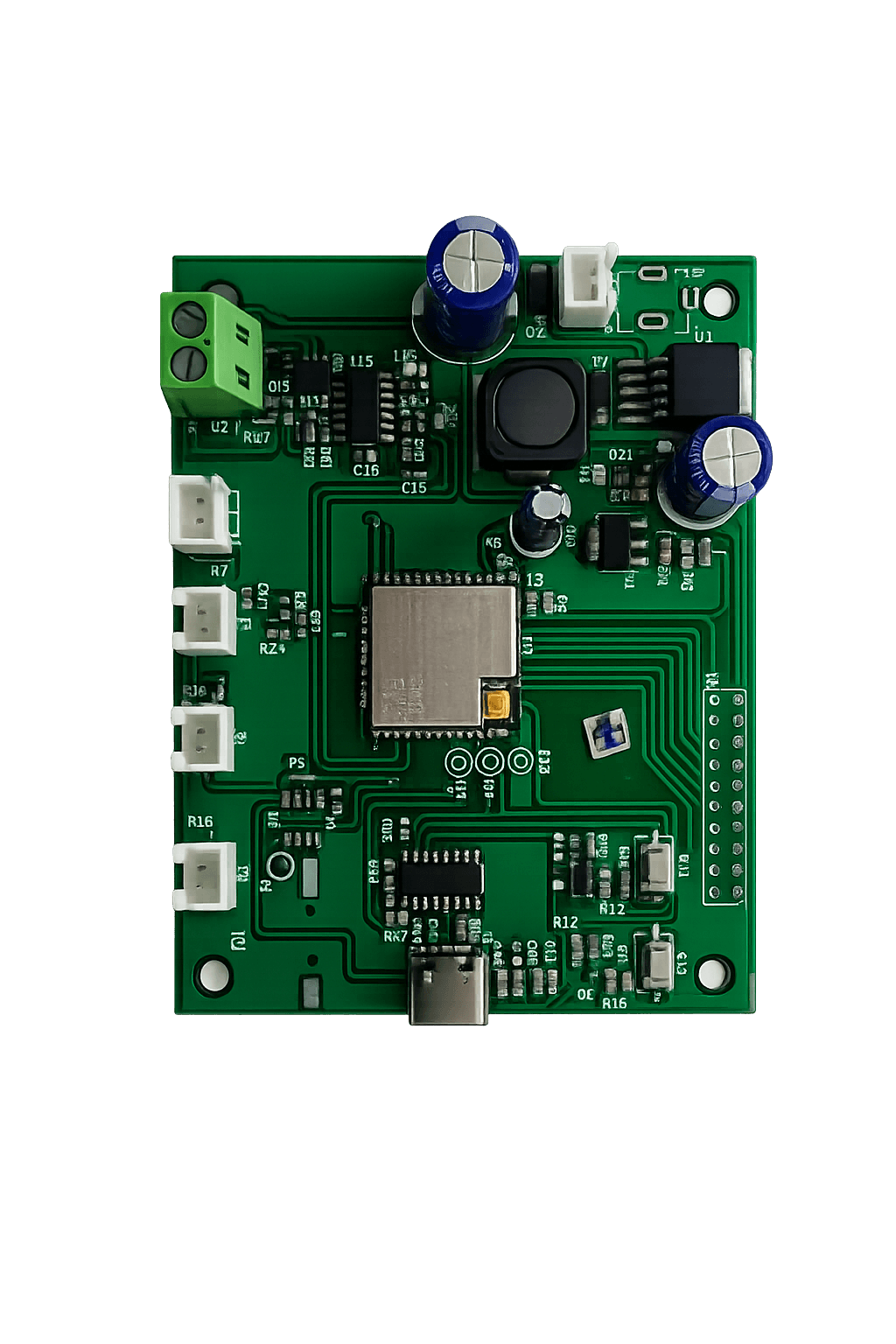
PLC and RS-485/Modbus gateway with local logging and cloud upload.